
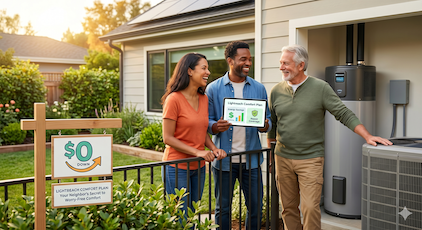
Sick of Unexpected Repair Bills? Meet the “Comfort as a Service” Model Saving Homeowners Thousands
For generations, we have been conditioned to accept that when an air conditioner or water heater breaks down, the homeowner is stuck with the crisis. We scramble to drain our savings or take out high-interest loans just to get the basic comforts of hot water and cool air back up and running. But with new clean energy incentives and modern subscription models, a better way has arrived.
Introducing the Comfort Plan from Lightreach (powered by Palmetto)—a revolutionary "comfort-as-a-service" program that completely eliminates the mental and financial load of traditional appliance ownership.
Instead of shelling out $10,000+ for a new HVAC or hybrid water heater, the Comfort Plan allows you to upgrade to top-tier, energy-efficient systems for $0 down and one predictable, flat monthly fee. The best part? Parts, labor, and annual preventative maintenance are 100% covered for the entire term of your plan. No hidden fees, no budget-busting surprises. When your home needs an upgrade or emergency service, you don’t need to stress—you just pick up the phone.
[Read the full article] to see how much you can save on your monthly utility bills by making the switch to hassle-free comfort.
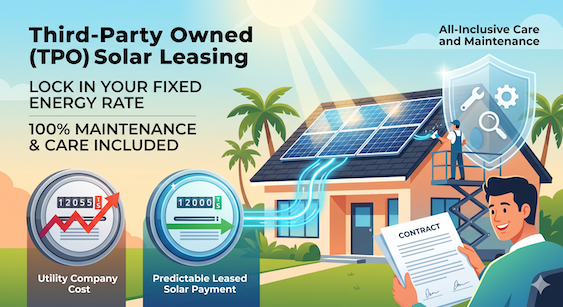
Understanding TPO: Is a Solar Lease Right for Your Florida Home?
The Future of Florida Solar: Why More Homeowners are Choosing the TPO Lease
"After two decades in the solar industry, we’ve seen the market shift from a luxury for the few to an accessible reality for the many. While solar loans and cash purchases are great for some, the Third-Party Ownership (TPO) Lease is the breakthrough many Florida families have been waiting for. Imagine securing a fixed, predictable monthly energy rate that is significantly lower than your current utility bill—all with zero upfront costs and zero maintenance responsibilities.
In this guide, we explore how a solar lease allows you to 'lock in' your power price for 25 years, protecting your home from rising utility costs while we handle every repair and performance check. Whether you are looking for immediate savings or want to add value to your home before a future sale, learn why a solar lease might be the smartest financial move you make this year."
Key Highlights:
$0 Down: Start saving from day one without a large capital investment.
Total Peace of Mind: We own and maintain the system; you just enjoy the clean energy.
Inflation Protection: Stop worrying about utility rate hikes and stabilize your monthly budget.
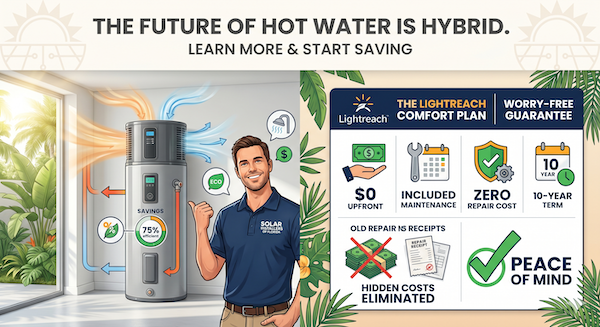
The Future of Hot Water: Why a Hybrid Water Heater is Your Home’s Next Power Move
"Did you know that water heating is the second-largest energy expense in the average Florida home? While cooling takes the top spot, your traditional water heater could be silently driving up 30% to 40% of your monthly bill. In our latest blog, we explore the game-changing technology of Hybrid Heat Pump Water Heaters—units that offer up to 4x the efficiency of standard models by pulling warmth directly from the Florida air.
Discover how these systems work, why they are perfect for your garage, and how the Lightreach Comfort Plan allows you to upgrade for $0 upfront with a 100% worry-free guarantee. Stop paying for 'hidden' maintenance costs and start heating your water the smart way."
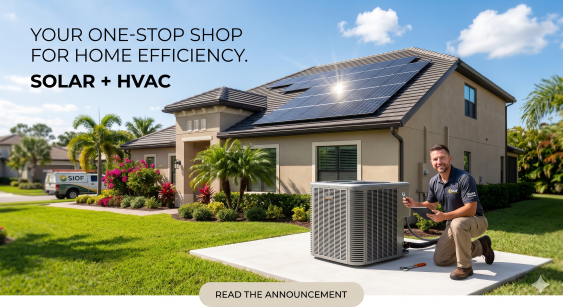
Your One-Stop Shop for Home Efficiency: Solar Installers of Florida Now Offering In-House HVAC!
"Stop juggling contractors and start saving. Solar Installers of Florida is officially your one-stop shop for home efficiency! We are proud to announce our new in-house HVAC licensing, allowing us to pair high-efficiency cooling with solar power to slash your utility bills like never before. Learn how our new HVAC services and the Lightreach Comfort Plan can provide total peace of mind for your home."
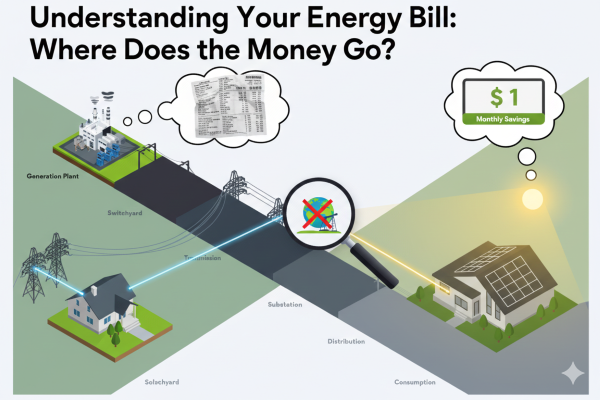
Understanding Your Energy Bill: Where Does the Money Go?
Confused by line items and fuel surcharges? We dissect a standard utility bill to show you exactly where solar savings kick in and where the hidden fees hide.
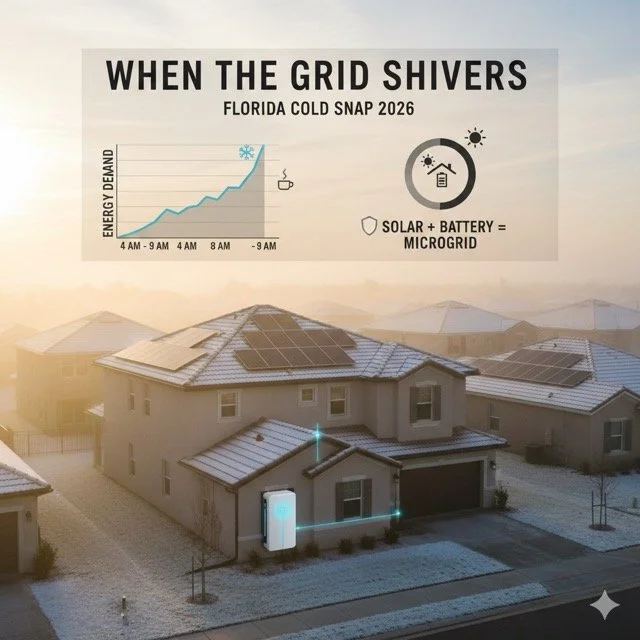
When the Grid Shivers: Why Central Florida’s Cold Snap is a Warning Sign
When the Grid Shivers: Why Central Florida’s Cold Snap is a Warning Sign
While the recent "historical Arctic blast" turned Central Florida into a winter wonderland, it also sent a chilling message to our power grid. As utilities like OUC, Duke, and KUA urged residents to slash energy use to avoid a total collapse, a bigger question emerged: In a world of rising energy demands and AI data centers, is your home truly protected? Discover why solar energy and battery storage are no longer just about "going green"—they are the keys to building a personal microgrid that keeps your lights on when the community needs it most.

Love Your Water: The Hidden Benefits of a Water Softener Category: Home Improvement / Healthy Living
Hard water ruins pipes and skin alike. As part of our whole-home service, discover how a water softener can protect your plumbing investment and improve your daily quality of life.
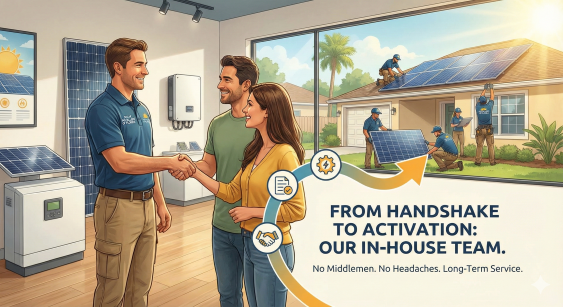
A Guide to Solar Installers of Florida In-House Process: No Middlemen, No Headaches
"From the first handshake to the final activation, we do it all. See how keeping our teams in-house ensures higher quality work and faster communication compared to subcontractors."
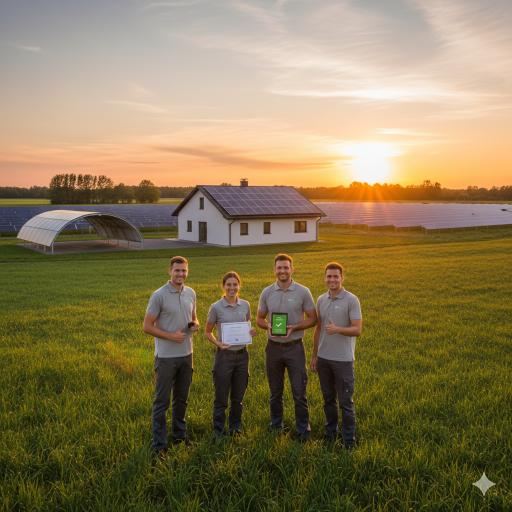
Why Solar Installers of Florida is Still Standing (And Growing) While National Giants Folded
In an industry shaken by the bankruptcy of national giants, SIOF stands firm. Discover how our debt-free, local business model—vetted monthly by top financial institutions—ensures we’ll be here to honor your 25-year warranty. From our GM-certified in-house crews to our transparent project portal, see why choosing a partner with 'Alpha to Omega' control is the smartest move for your home and your ROI.
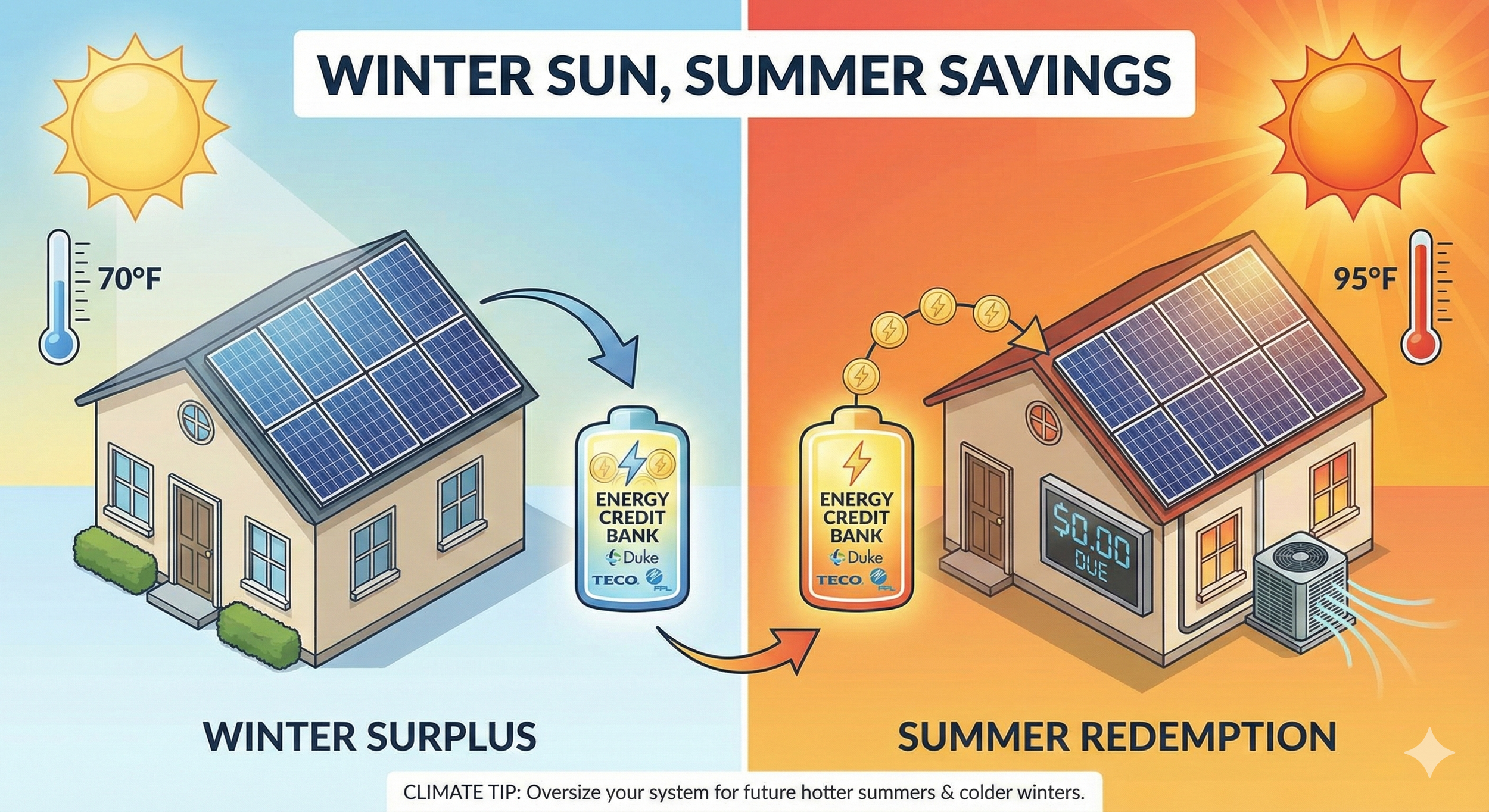
Why Winter is the Secret Weapon for Solar Owners
Florida winters are mild, but they are powerful for solar owners. Learn how the energy you generate now builds up a "credit bank" with your utility to offset those high AC bills coming in July.
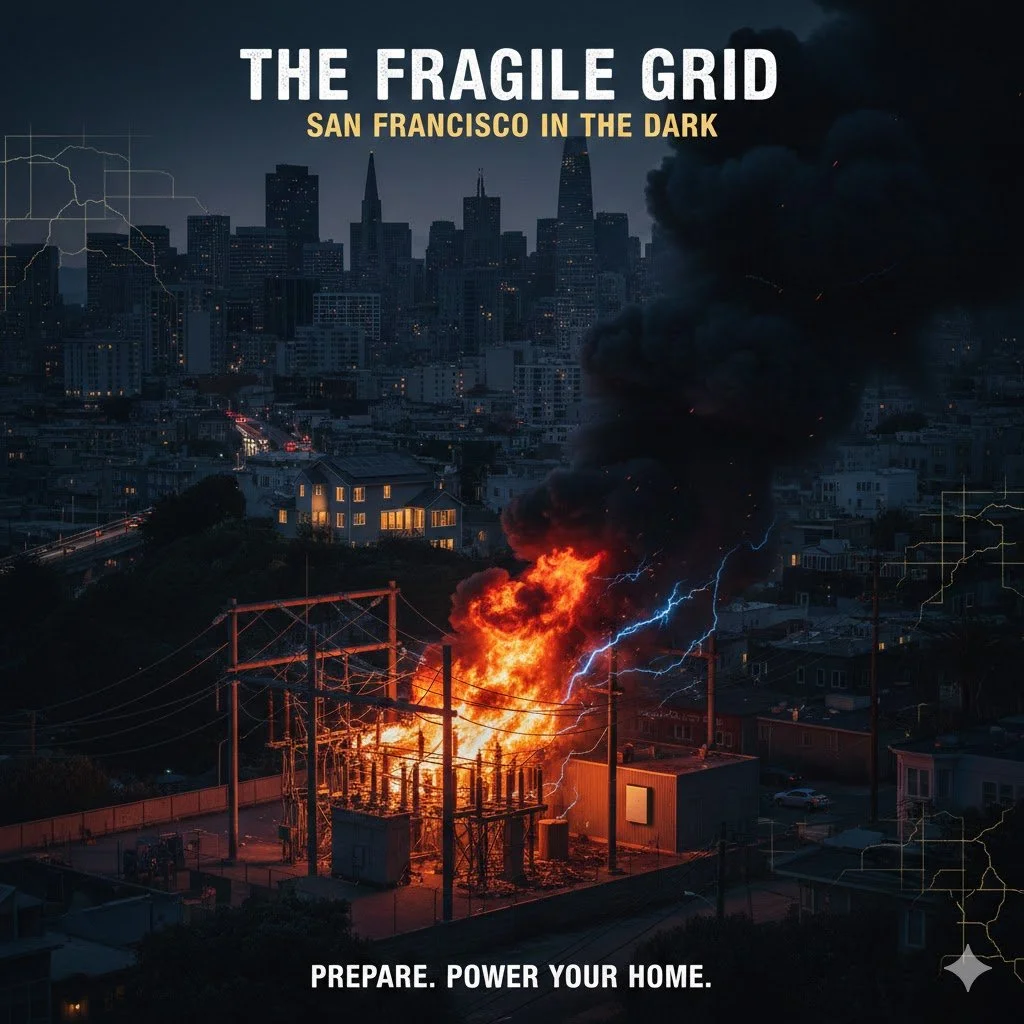
From Florida to California: The Grid is Breaking. Are You Ready?
The Fragile Grid: Lessons from the San Francisco Outages
Think a failing grid is only a "storm" problem? Think again. Recent massive infrastructure failures and substation fires in San Francisco have left hundreds of thousands in the dark, proving that our centralized power systems are more vulnerable than ever. From California to Florida, aging hardware and overtaxed systems are reaching a breaking point. Learn why these events are a wake-up call for energy independence and how you can protect your home with solar and battery backup before the next failure hits closer to home.
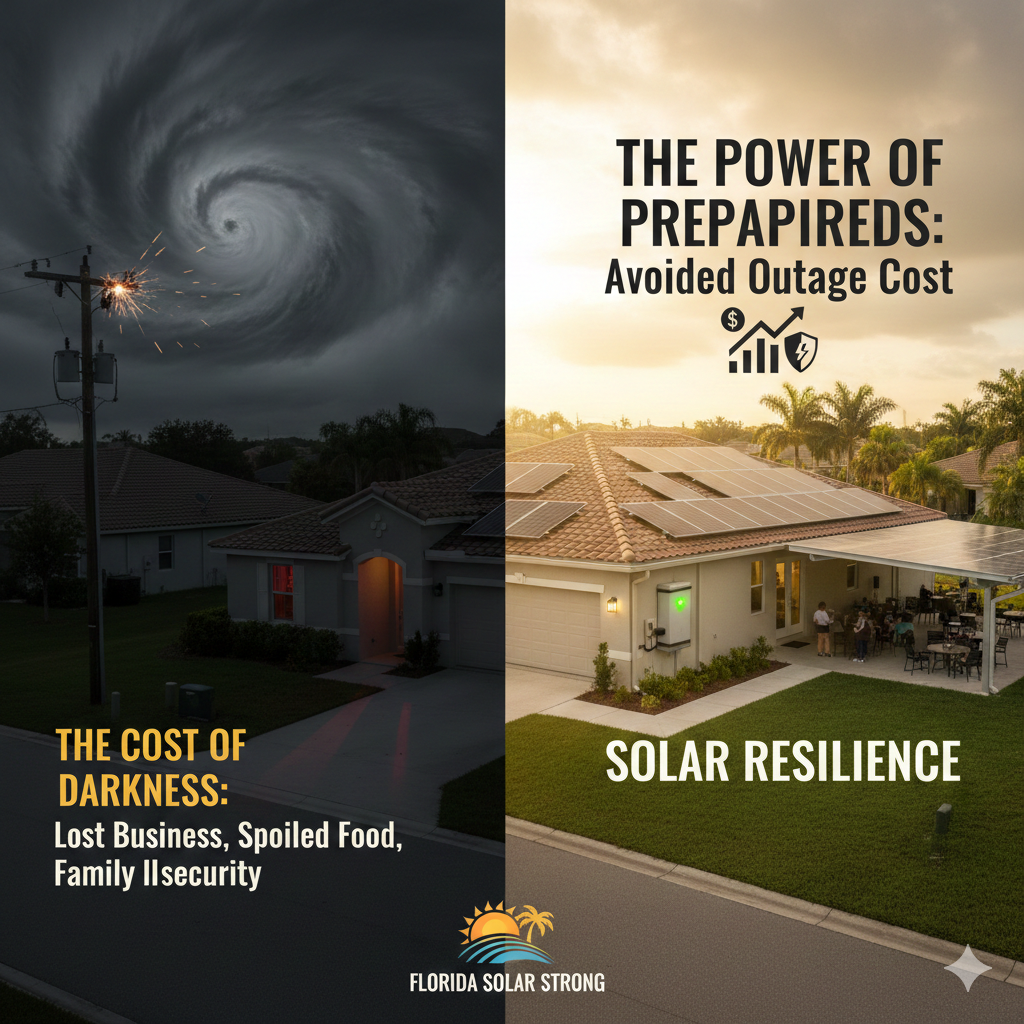
The True Cost of Power: Why You Must Include the "Avoided Outage Cost" in Your Solar Investment
For years, the solar conversation has centered on savings: saving money on your monthly bill, saving yourself from utility rate hikes, and saving the planet. And while those financial incentives are crucial, they miss the most critical component of a solar-plus-battery system—especially here in Florida: Resilience.
It’s time to move past kilowatt-hours and monthly payments and talk about the hidden, priceless variable that can make or break your hurricane season: The Avoided Outage Cost (AOC).
Life After the Tax Credit: Why Solar Will Thrive Without It
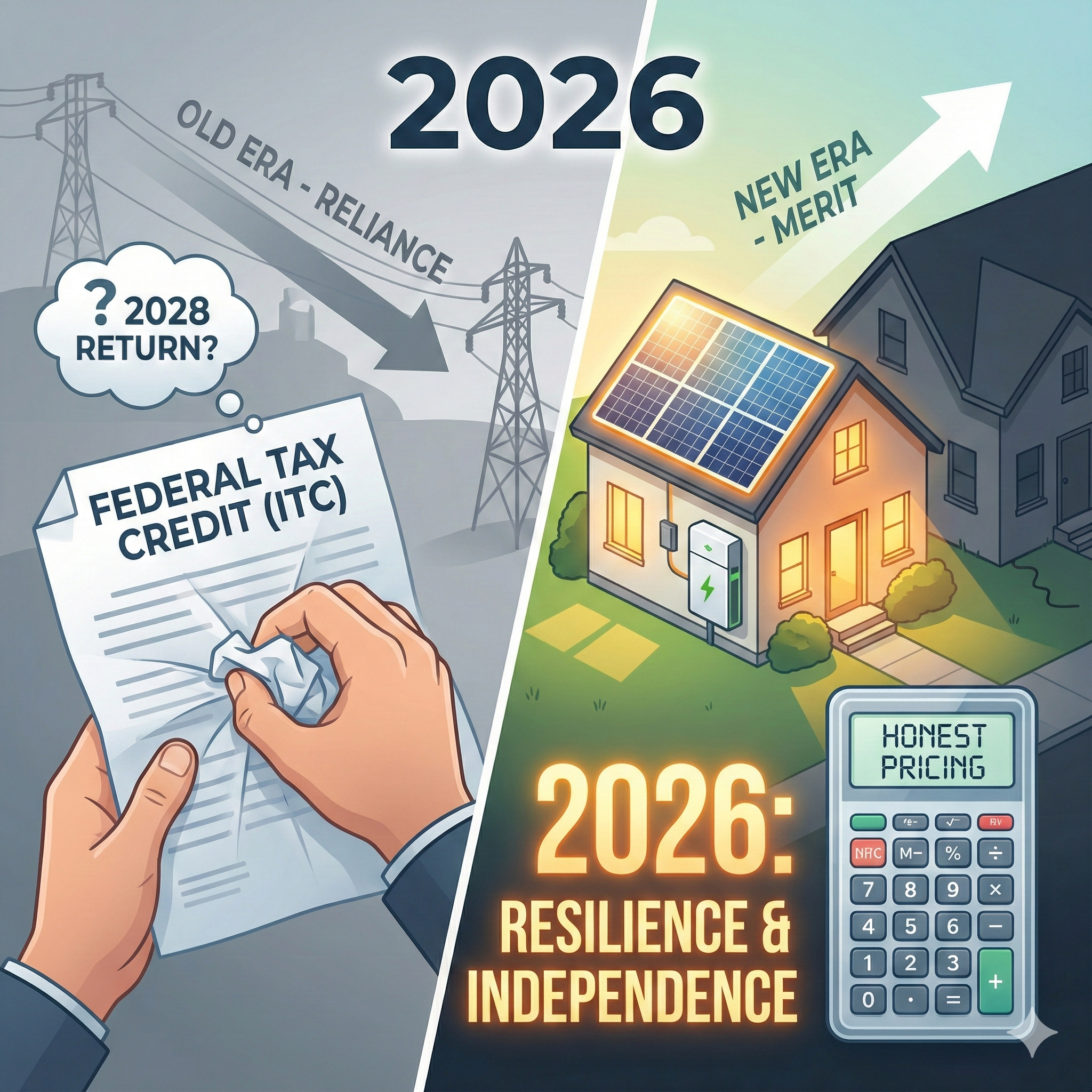
For nearly two decades, the solar industry has been driven by a 30% federal tax credit. With the approval of the new “Big Beautiful Bill” , that credit is finally coming to an end. Many assume this means the end of solar momentum — but the reality is very different.
Solar no longer needs a tax incentive to make financial sense. In 2008, solar cost over $8 per watt and utility rates were low. Today, solar systems average $2.75 per watt while electricity costs have more than doubled. Even without incentives, solar remains the most effective way for homeowners to control energy expenses, protect their family during outages, and secure predictable costs for the next 25 years.
The opportunity has never been about the credit — it has always been about energy independence, resilience, and long-term savings. The end of the tax credit simply marks the beginning of a new chapter.
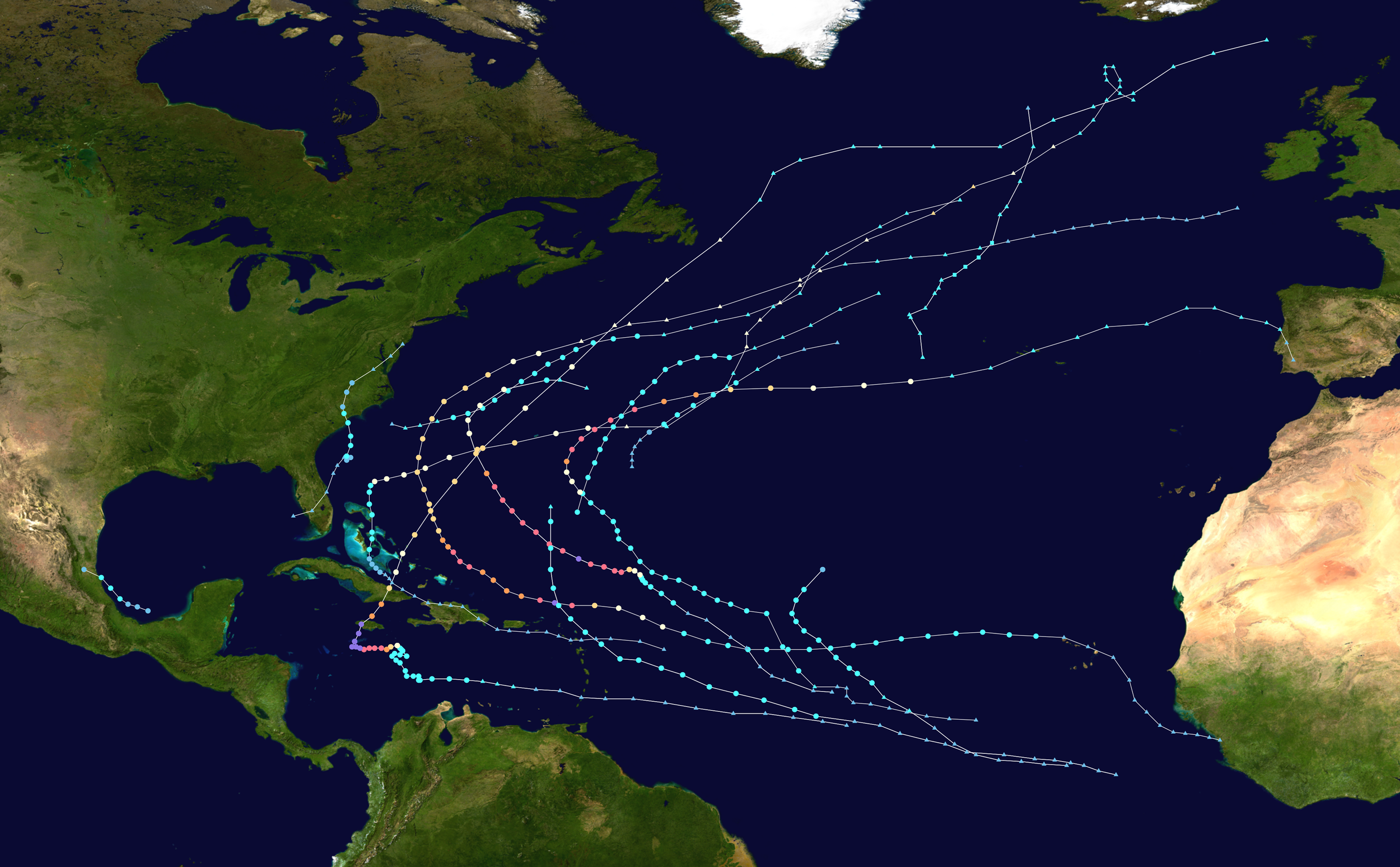
2025: A Strange But Dangerous Season
The 2025 hurricane season may look quiet on paper — not a single hurricane made landfall in the United States — but this “lucky break” hides a much more alarming reality. While Florida was spared, the Atlantic produced some of the most powerful storms ever recorded, including multiple Category 5 hurricanes that rapidly intensified over record-warm waters. This season was the exception, not the rule.
As we look ahead to 2026, experts warn that stronger, faster-forming storms are becoming the new normal. Now is the time for Florida families to prepare, reinforce their homes, and invest in reliable backup power. A quiet year doesn’t mean we’re safe — it means we were lucky. And luck is not a plan.
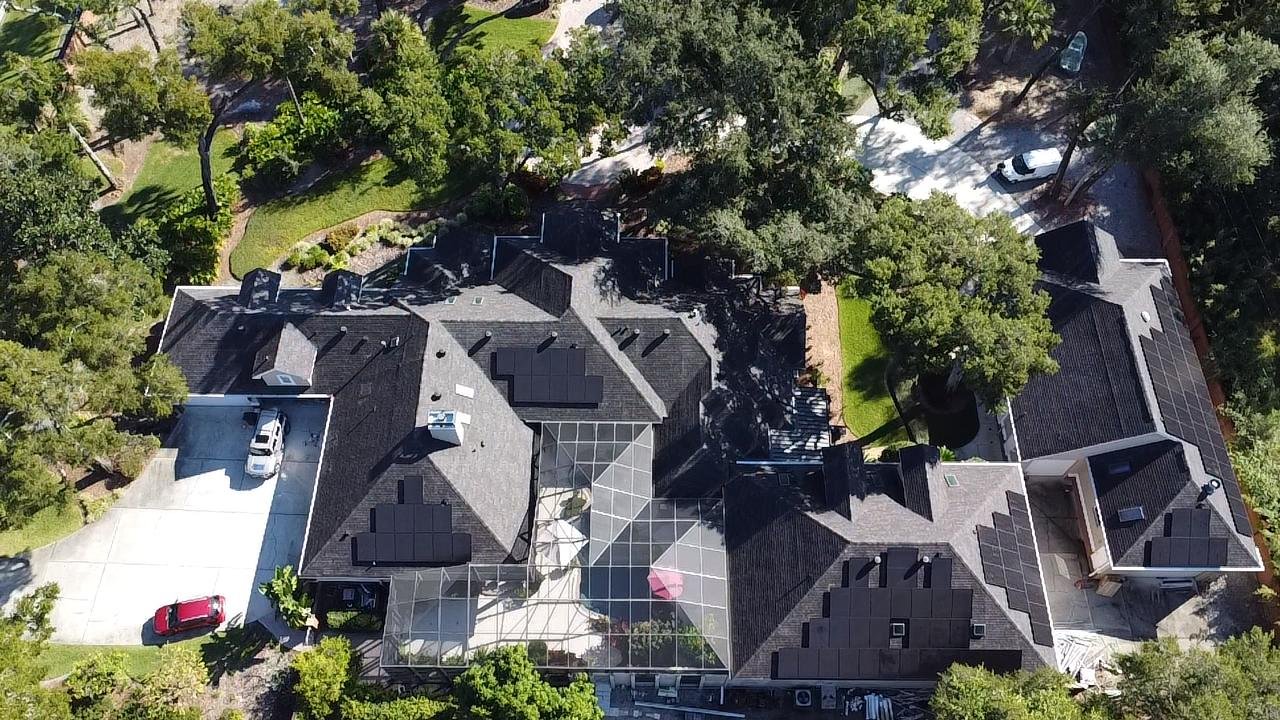
🏡 A 114-Panel Solar Masterpiece in Longwood, Florida
Solar Installers of Florida is proud to showcase one of our most technically impressive residential projects to date: a 46.17 kw system 114-panel, multi-roof solar installation completed in the beautiful community of Longwood, Florida.
This project reflects the perfect fusion of engineering expertise, aesthetic craftsmanship, and cutting-edge AP Systems microinverter technology, delivering massive energy savings and long-term resilience for the homeowner.
18 Hours Is Just the Beginning
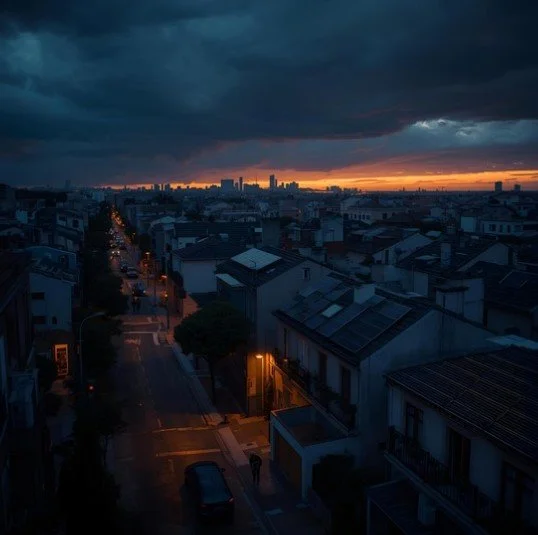
It’s tempting to think of this as a one-time European glitch.
But it’s actually a preview of what’s coming to America.
As we build more homes, more data centers, and more electric vehicles, our energy demand keeps climbing. Yet, we’re not building new power plants or transmission lines fast enough to keep up.
At the same time, we’re breaking records for weather extremes —
the hottest summers, the strongest hurricanes, the wettest days, and even snow in months that never had it before.
More Than Just Saving on Electricity
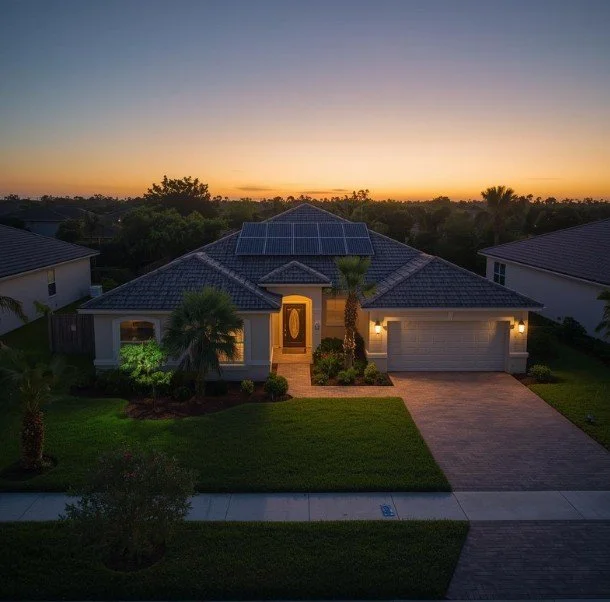
Most people think of solar energy as a way to lower their electric bill — and yes, that’s a big part of it. But when you look closer, going solar does far more than just reduce monthly expenses. It’s about taking control of your home, your comfort, and your future.
Protect your Family from Inflation — Lock in Your Energy Costs
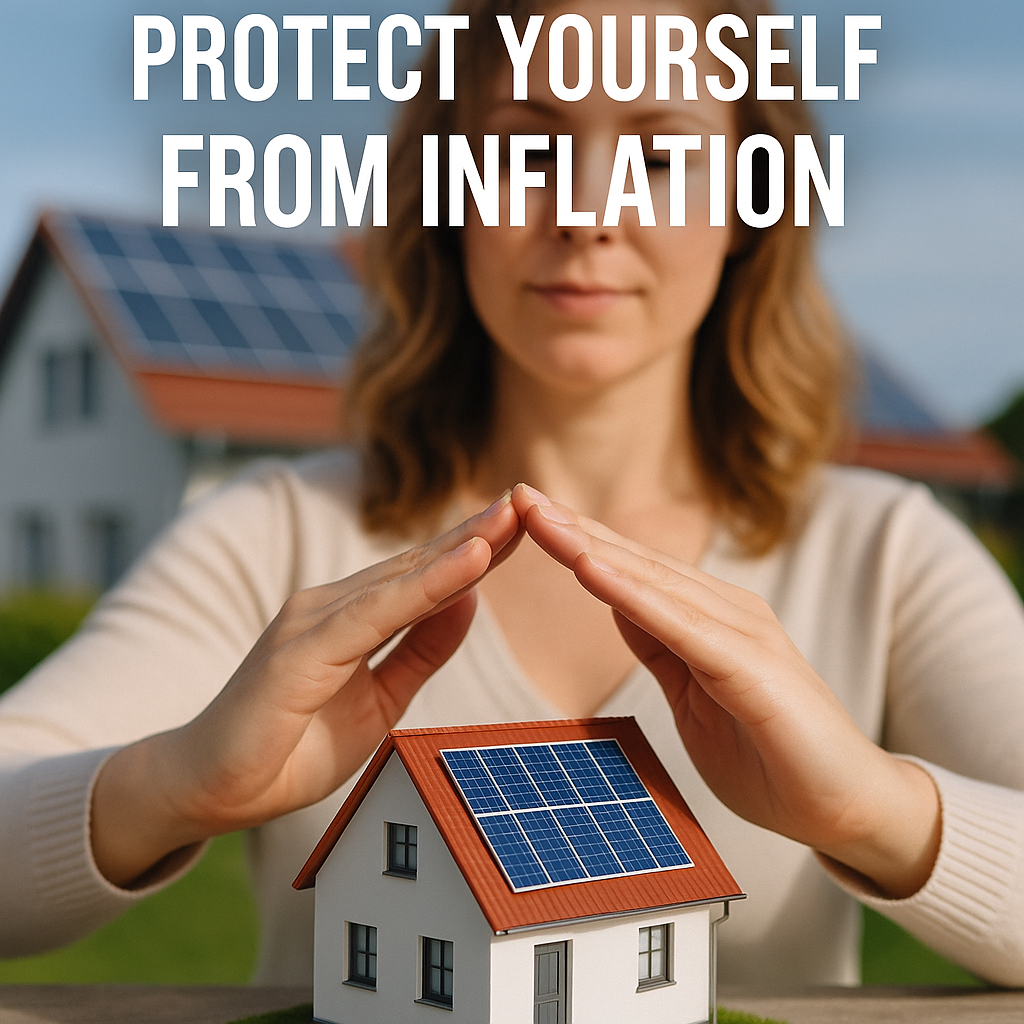
Inflation isn’t just a buzzword—it’s real, persistent, and it hits families right in the essentials: housing, food, and energy. Whether the economy is booming or stumbling, the basics don’t go away. You still need a roof over your head, meals on the table, and power to run your home.
When things are good, it’s easy to get distracted—spending more on vacations, discretionary items, upgrades. But when inflation kicks in or uncertainty grows, it’s wise to refocus on what matters. That’s why now is a perfect time to think smart: if you own a home and you’ve managed your budget for food and shelter, the next frontier is energy.
Because energy bills are one of those pressures that quietly creep upward. Especially in Florida, where summer cooling loads, new construction, data-centers, cryptocurrency mining and other growth metrics put increasing strain on our grid and utilities.
Let’s talk about how a solar system can help you budget for what you use—and protect you from inflation.