
2025: A Strange But Dangerous Season
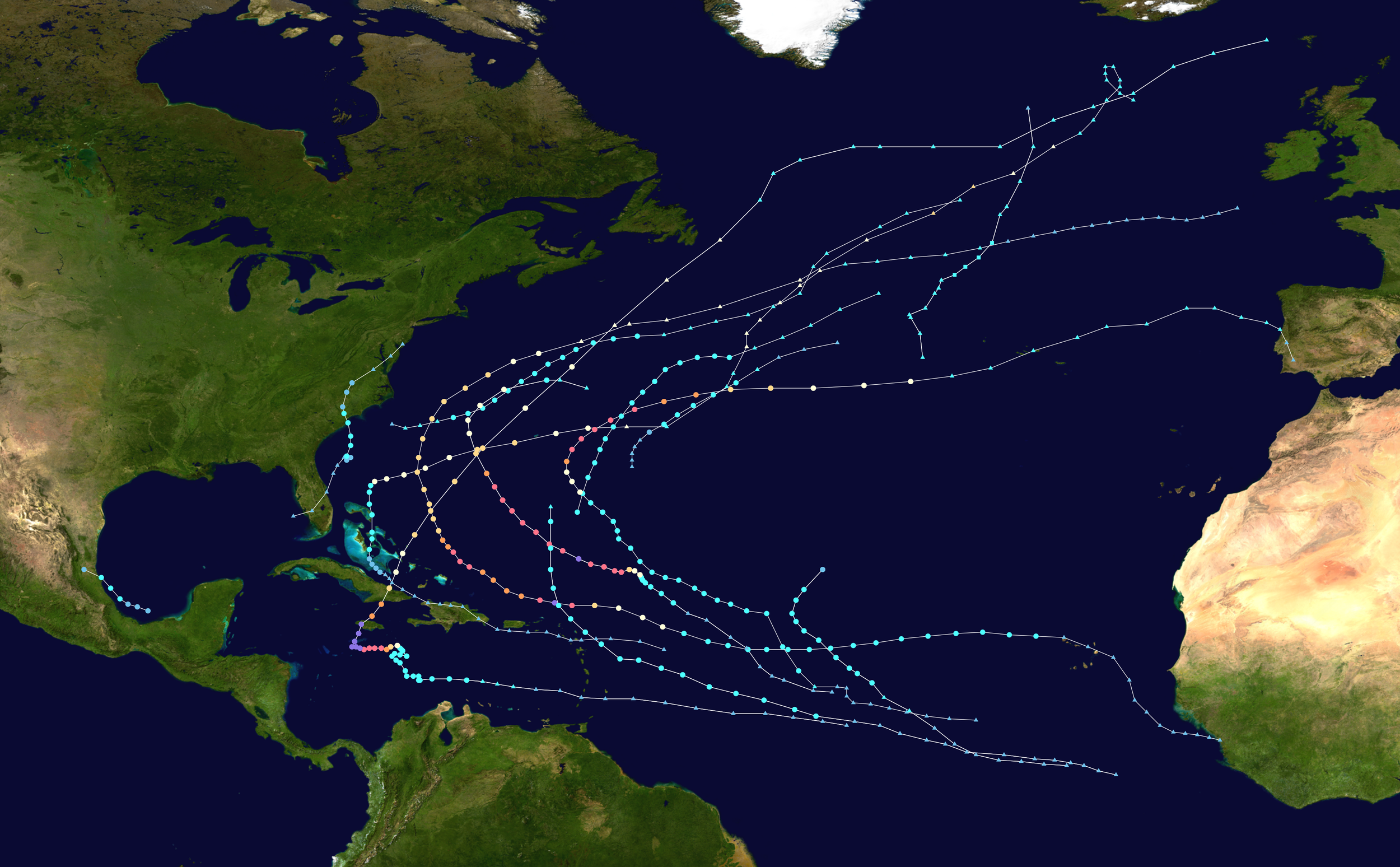
2025 Storm season paths
The National Hurricane Center (NHC) reports that the 2025 Atlantic hurricane season ended with 13 named storms, of which 5 became hurricanes and 4 reached “major” status (Category 3 or stronger). (WPDE)
Remarkably, not a single hurricane made landfall in the continental U.S. — the first time that has happened since 2015. (ABC News)
The only direct U.S. impact came from Tropical Storm Chantal, which brushed the Carolinas in early July.
At first glance, one might breathe a sigh of relief: a “quiet” season — no major disasters at home. But beneath that veneer of calm lies a far more worrying truth.
🌪️ Strength Without a Strike: What We Can’t Ignore
Of the five hurricanes in 2025, three reached Category 5 intensity — among the strongest storms in the Atlantic this season.
One of those, Hurricane Melissa, made landfall — not in the U.S., but in Jamaica — with catastrophic force: sustained winds reaching roughly 185 mph, making it one of the most intense Atlantic landfalls on record.
Other storms, like Hurricane Erin, while not hitting land directly, still generated dangerous surf, high waves, rip currents, storm-surges and coastal erosion along much of the U.S. eastern seaboard — effects felt hundreds of miles away from their center.
In short: the “no landfall” outcome was more a stroke of luck than a sign of safe seas — and that luck may not hold next year.
🏠 Why Florida Families — Including Yours — Should Take Note
Living in Florida , we know that hurricanes are part of life. But 2025 is a reminder that the absence of disaster this year doesn’t guarantee safety — it might lull us into a false sense of complacency.
Warmer seas and changing climate dynamics continue to drive rapid intensification — storms can go from “harmless” to deadly in just a day or two.
Even if a storm doesn’t directly hit land, the indirect effects — storm surge, coastal flooding, dangerous surf, flooding from outer bands — can still threaten homes, especially older roofs, solar arrays, battery systems, and outbuildings.
For families: the difference between “prepared” and “unprepared” can mean damaged property, lost photos/family heirlooms, months without power — or safe shelter and relative calm.
In short: 2025’s near-miss should be taken not as relief, but as a wake-up call.
✅ What We Should Do Now — Prepare Proactively for 2026
Here’s a “mini-checklist” for families (and especially homeowners/solar-installer-minded people) to use this offseason:
Inspect and reinforce structures — roofs, gutters, windows, doors, garages. Fix weak points.
Secure heavy outdoor items and equipment — solar panels, battery packs, HVAC units, landscaping, furniture — anything that could become a projectile.
Stock emergency supplies — water, non-perishable food, flashlights, batteries, first-aid kits, cash, portable chargers, important documents (ID, insurance).
Update evacuation plan & communications — know where to go, how to reach each other, ensure vehicles and routes are ready.
Protect critical systems — solar inverters, batteries, HVAC; consider surge protection, waterproofing, reinforcing roof/wall penetrations.
Stay informed and ready early — storms can intensify fast; monitor forecasts and have a plan before “cone of uncertainty” appears.
📝 Final Take: Don’t Let a Quiet Season Fool You
The 2025 Atlantic hurricane season may have ended with zero U.S. landfalls — and for that we’re lucky this year. But luck isn’t a strategy. The presence of multiple Category 5 storms, the increasing power of tropical cyclones, and the growing vulnerability of homes (especially in coastal or near-coastal areas) means that preparation is not optional — it’s essential.
If we treat 2025 as a “free pass,” we risk being unprepared when the next storm strikes. Better to spend this offseason strengthening, safeguarding, and preparing — for our families, our homes, and our peace of mind.
